

Bamboo is one of the loveliest plants you can add to a garden. Graceful, calming, and endlessly satisfying to watch as it sways in the breeze. It brings instant height, texture, and a sense of quiet drama to outdoor spaces and backyards alike. But for all its beauty, bamboo has a bit of a reputation for getting out of hand.
The good news? With the right approach, you can enjoy all the benefits of bamboo without worrying about it taking over your garden. Here’s how to grow bamboo in a way that’s beautiful, contained, and completely stress‑free.
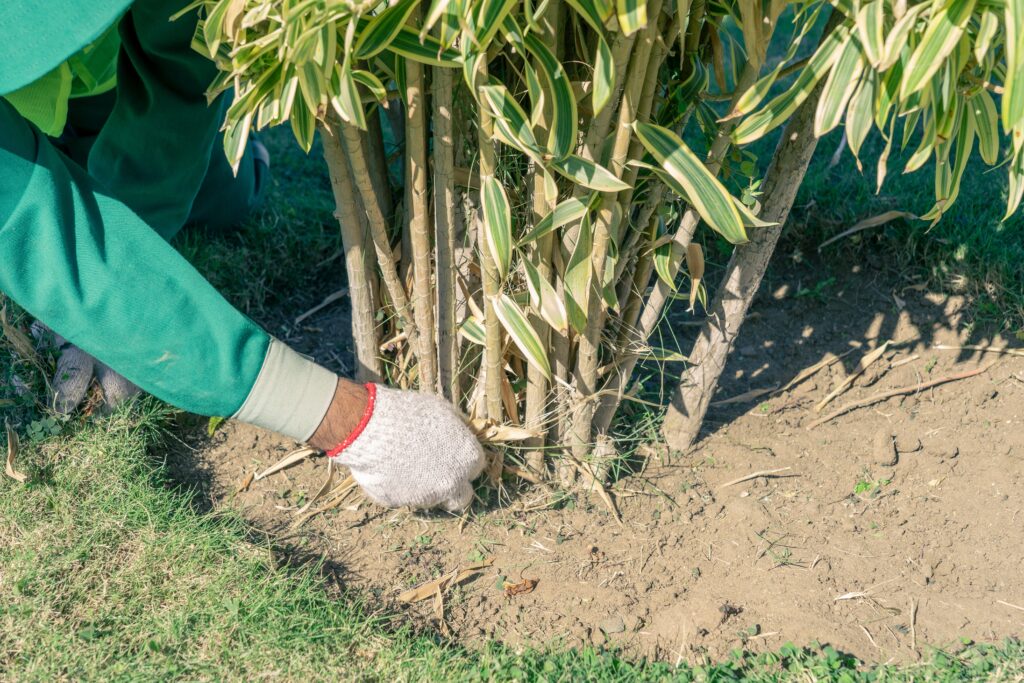
Table of Contents
Bamboo is one of the fast-growing plants in the world and certain species can grow up to 3.81 cm per hour. However, most clumping bamboo grows at a rate of 0.3-0.9 meters per year, and most running bamboo grows at a rate of 1.52 meters per year. Generally, the more established the plant, the faster it will grow.
Growing bamboo from seed is the most challenging way to do it – but also the most rewarding. Start by filling a large bucket with seed-starting compost, then water it and mix it round until moist. Fill a germination tray with the compost, place two seeds in each pot and leave the germination tray in a warm place. Bamboo seedlings will take around 30 days to sprout but this can take longer (be prepared to wait up to six months).
To grow bamboo from a cutting, cut several 25.4 cm cuttings from a new growth that has at least two nodes and two internodes. Dip the ends of the cutting in melted wax, then leave it in water in a well-lit location for several weeks. Change the water every other day and move the cutting to a pot as soon as its roots are two inches long.
Bamboo has a reputation for spreading out and taking over the garden (if you’re not careful) and a good way to stop this is to grow it in a container, especially if you have a small space. Place your bamboo in a large container and then sink it into the ground, leaving only the top lip visible above the surface. This will make sure that the bamboo only grows to the size of the container.
If you’d rather plant your bamboo in the ground, dig a hole that is twice the size of the root mass. Place some compost at the bottom of the hole so the roots sit level with the surface of the ground. Then fill it in with compost and water it well.
Start with The Right Tools
To get started with growing bamboo, you don’t need an overwhelming list of supplies, but choosing the right materials and organising your shed upfront makes all the difference. The most important decision is the bamboo itself: opting for clumping varieties or bamboo suited to containers immediately reduces the risk of unwanted spread.
Alongside the plant, you’ll want quality compost or well‑draining soil to help bamboo establish strong, healthy roots from the start. If you’re planting in the ground, a sturdy root barrier is a key material to have on hand, creating a clear underground boundary that keeps growth contained while still allowing the plant to thrive.
In terms of tools, think practical and garden‑basic. A sharp spade or shovel is essential for digging planting holes and installing root barriers cleanly, while secateurs or garden shears will help with routine maintenance and keeping growth tidy. Mulch is another useful addition, helping the soil retain moisture and suppress weeds around your bamboo.
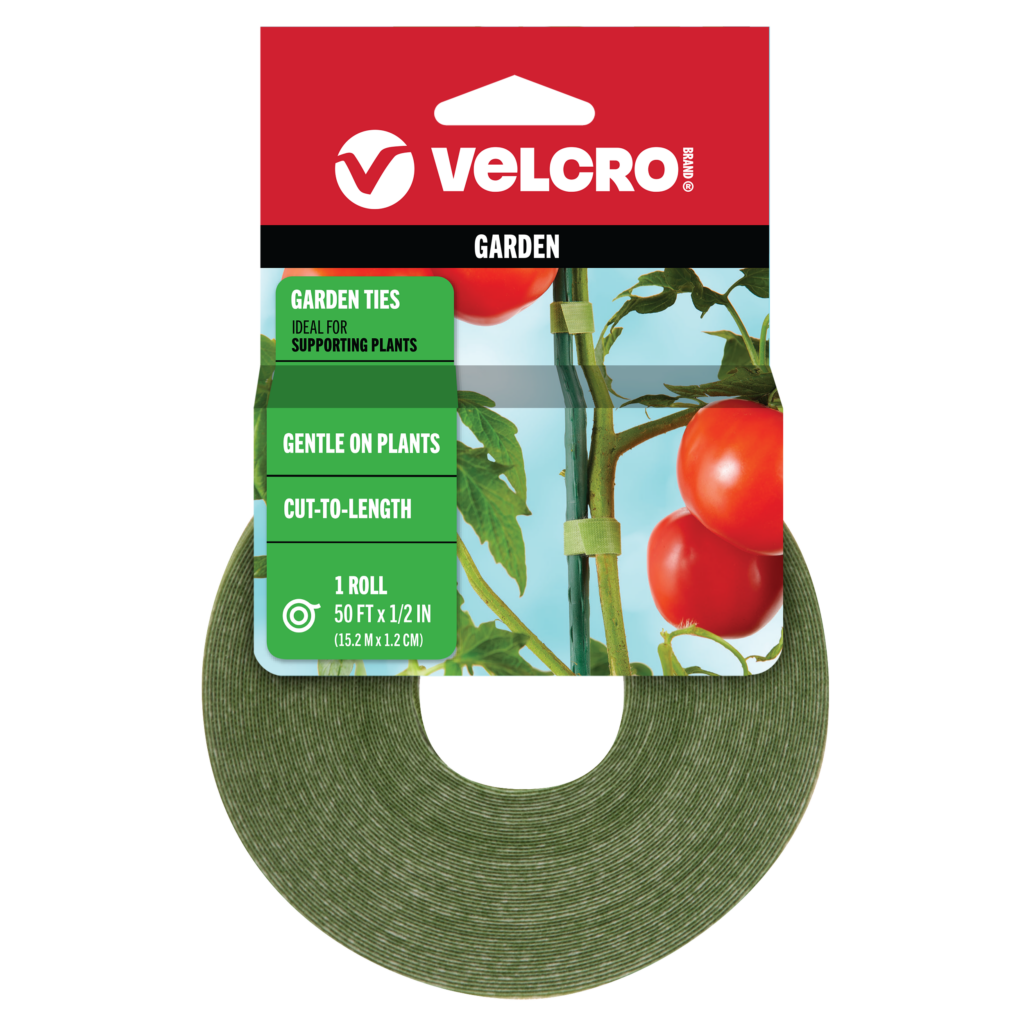
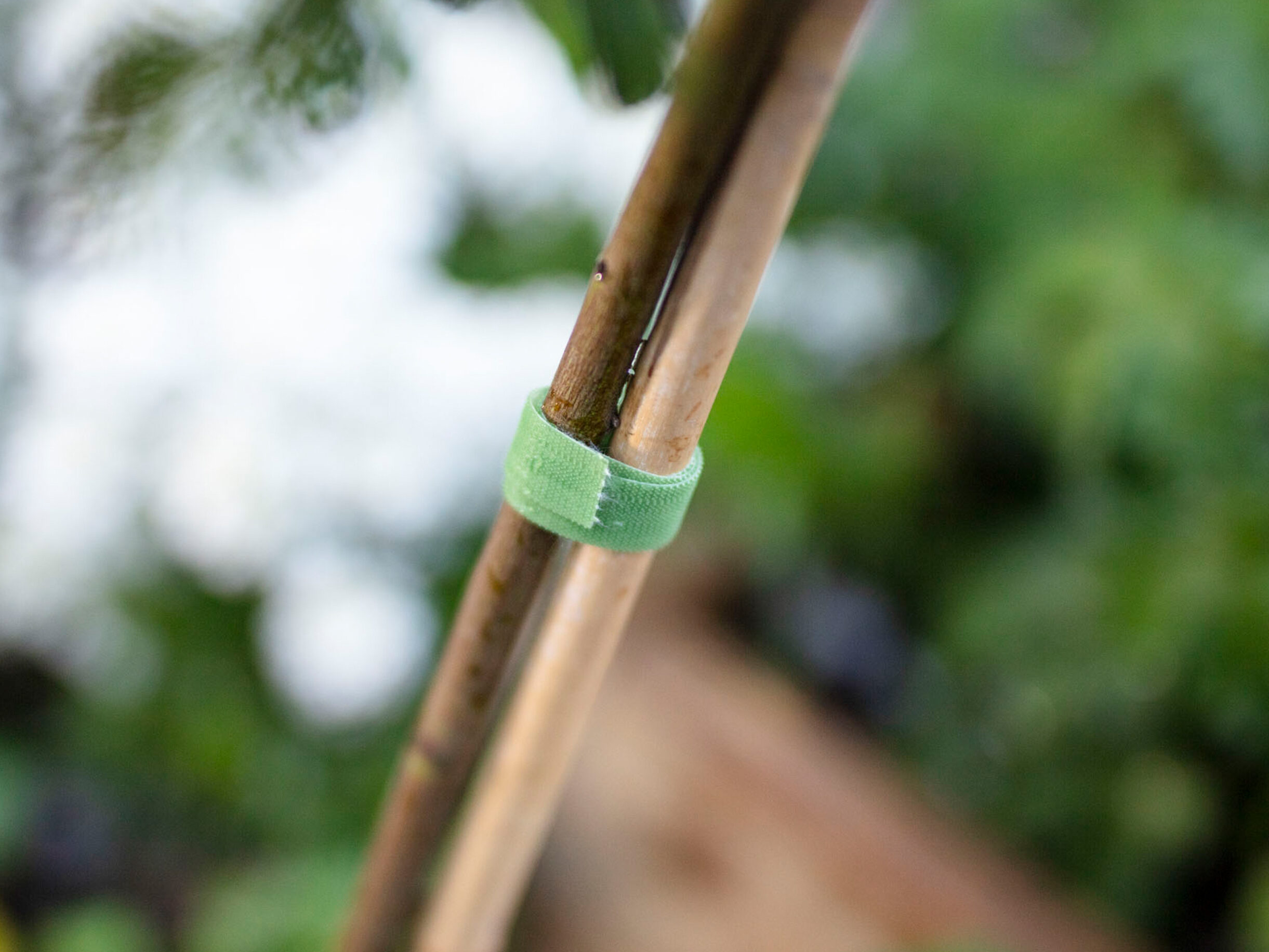
And of course, VELCRO® Brand Garden Ties is the perfect addition to help support the stems as they grow.
Planting Bamboo: How Do You Grow Bamboo?
Starting to grow bamboo begins with choosing the right location and type for your garden. Bamboo thrives in spots with plenty of light, ideally full sun to partial shade, and appreciates shelter from very strong winds, which helps protect young canes as they establish. Before planting, it’s worth thinking about the role you want bamboo to play as a screen, a focal point, or a backdrop for other plants. This helps determine whether planting in the ground or in a container makes the most sense, as well as how much space you’re comfortable dedicating to it over time.
Once you’ve settled on placement, preparation is key to a smooth start. Bamboo prefers fertile, well‑draining soil and benefits from being planted during milder seasons, when temperatures and moisture levels are less extreme. Giving it a generous planting hole and enriching the soil helps roots settle in quickly and grow strong. Regular watering in the early weeks supports healthy establishment, while light mulching helps retain moisture and keeps the area looking tidy. With a thoughtful beginning and a little early attention, bamboo can quickly become a striking feature in your garden rather than an unruly one.
How to Stop Bamboo from Spreading
To stop bamboo from spreading, the most effective approach is to set clear boundaries below the soil line. Bamboo spreads through underground stems called rhizomes, so installing a physical root barrier is one of the most reliable ways to keep growth contained. These barriers often made from tough plastic or similar long‑lasting materials are placed vertically around the planting area to redirect rhizomes back toward the main plant rather than allowing them to travel outward. When installed properly, barriers create a hidden but powerful line of defense, letting bamboo grow tall and full above ground while staying firmly in its assigned space below.
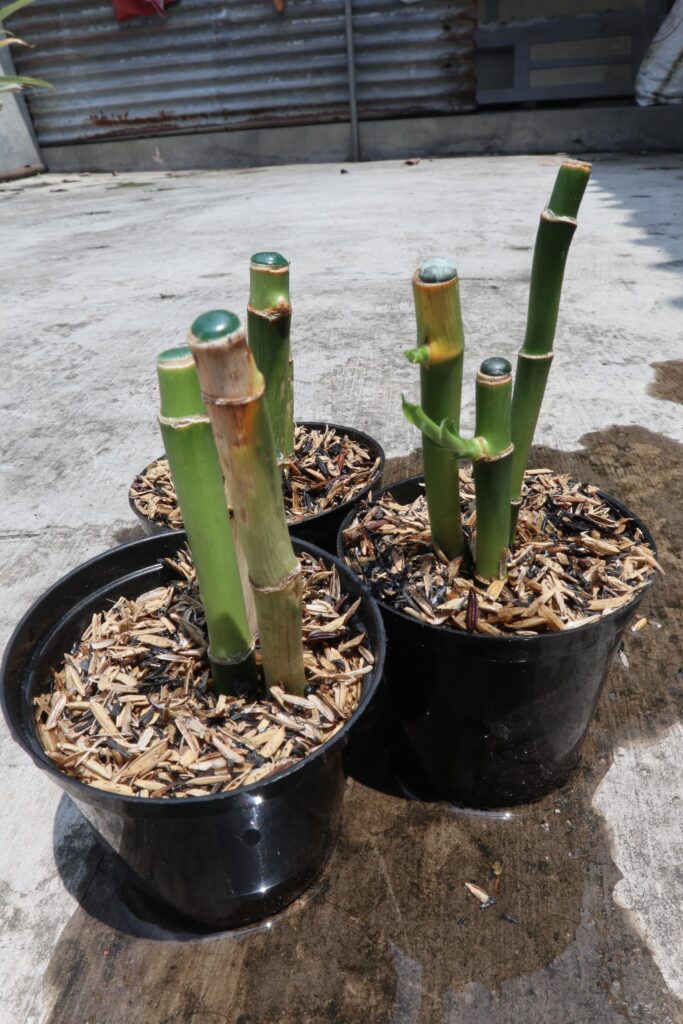
Growing bamboo in pots is another smart and visually flexible way to control overgrowth. Large, heavy containers naturally restrict root expansion and make it easier to manage size and placement over time. This method works especially well for patios, decks, and smaller gardens where space is limited or where bamboo is being used as a statement feature rather than a permanent screen. Beyond barriers and containers, regular monitoring is key to checking for new shoots in spring and trimming or removing them early prevents small issues from becoming large ones. Choosing clumping bamboo varieties, maintaining clean edges, and occasionally pruning roots all help ensure bamboo stays an asset to your garden, not a problem.
Vertical Supports
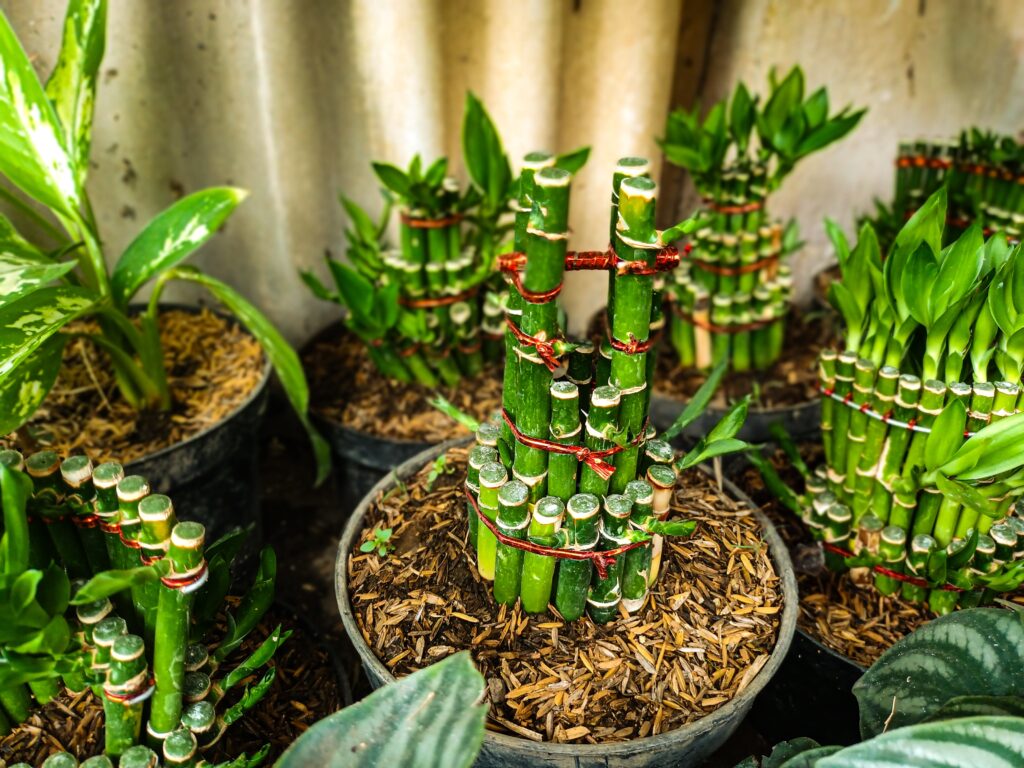
Maintaining bamboo at a manageable height is all about gentle guidance and regular upkeep. As new canes grow taller, tying them loosely to a stake or support helps keep growth upright and prevents heavy stems from bending or toppling in wind. Using VELCRO® Brand Garden Ties makes this especially easy they’re adjustable, reusable, and soft enough to secure bamboo without damaging delicate canes, while still offering strong, reliable support. Because they can be repositioned as the plant grows, they’re ideal for training bamboo to fill vertical space gracefully while keeping height controlled and looking neat throughout the season.
With a little planning and the right care, bamboo can be a calming, eye‑catching addition to your garden without the stress of unwanted spread. By choosing the right variety, setting boundaries early, and maintaining growth as it matures, you can enjoy all the height, movement, and texture bamboo has to offer while keeping your outdoor space beautifully under control. For more gardening tips, product inspiration, and behind‑the‑scenes ideas to help your projects grow, follow us on Instagram and join our community of makers and gardeners


